
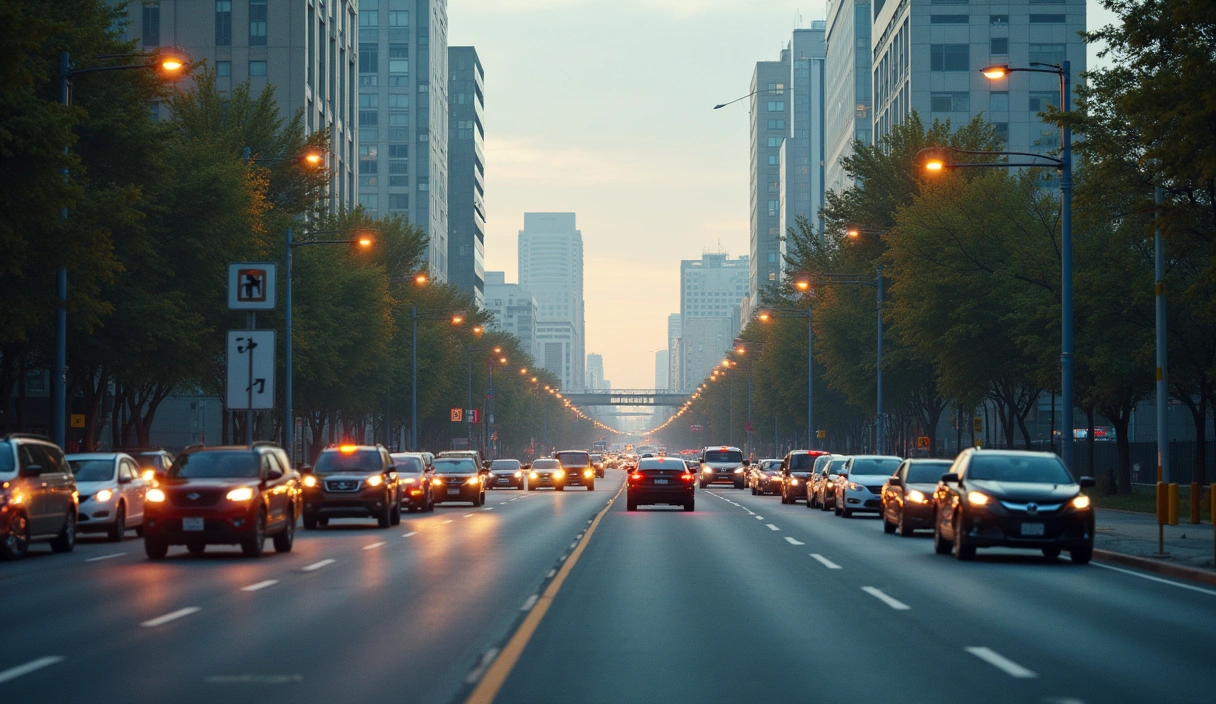
A few months ago, a driver was on a crowded highway with his wife and son. Traffic was barely moving. Vehicles were inching forward, one small gap at a time, with the usual impatience hanging in the air.
Suddenly, there was a loud bang. It sounded like something had burst. For a second, the driver did not understand what had happened. Then he realized a motorcyclist trying to squeeze through the narrow space between cars had hit his vehicle. The motorcycle’s side bar had struck the car.
The driver felt a surge of anger. His first thought was to get out of the car and confront the motorcyclist. But he paused. He remembered that between a stimulus and a response there is a space. In that space is the power to choose a response.
He took a deep breath. He looked at his wife and son. They were both fine. The car did not appear to be badly damaged. He decided not to react in anger. Instead, he checked on the motorcyclist, who was also unhurt.
The motorcyclist apologized. The driver accepted the apology. They exchanged information and went on their way. The driver later reflected that choosing not to react in anger had prevented a potentially dangerous and stressful situation from escalating.
This experience reinforced for the driver the importance of pausing before reacting. He learned that anger often leads to poor decisions. By taking a moment to breathe and assess the situation, he was able to respond in a calm and rational manner. This approach not only kept everyone safe but also preserved a sense of peace for himself and his family.
The driver now tries to apply this lesson in other areas of his life. When he feels anger rising, he reminds himself to pause. He focuses on his breathing. He asks himself what the best response would be. This practice has helped him avoid arguments and conflicts with coworkers, friends, and family members. It has also reduced his overall stress levels.
He acknowledges that it is not always easy to choose a calm response. Some situations are more difficult than others. But he believes that with practice, it becomes easier. The key is to recognize the moment of choice and to use it wisely.
The driver also shares this story with others. He hopes it will encourage them to think before reacting. He believes that small acts of restraint can have a big impact on relationships and personal well-being. In a world that often seems full of anger and impatience, choosing a different path can make a real difference.